
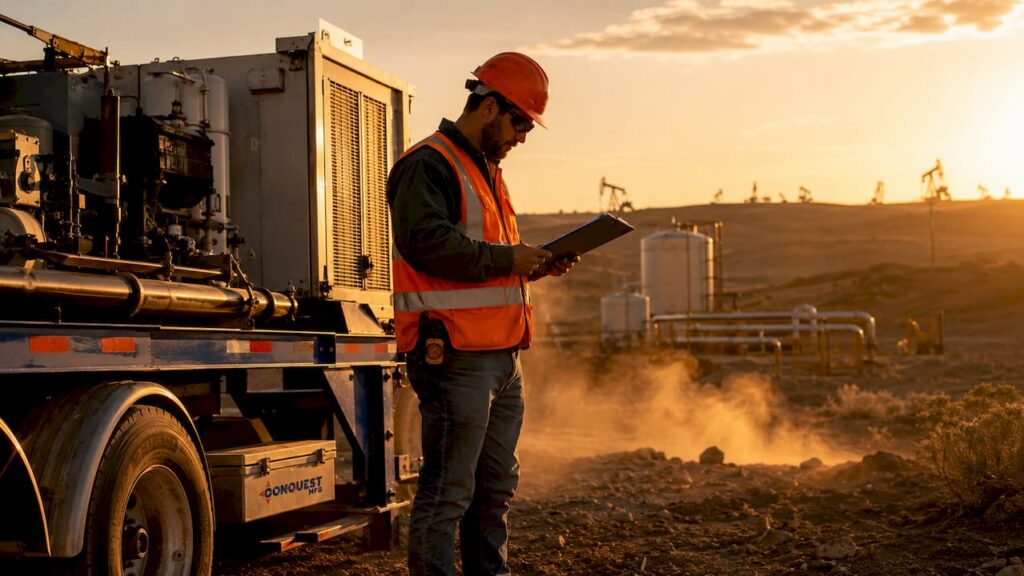
Mobile equipment in oilfields is defined as movable machinery designed to operate directly at or near extraction sites, eliminating the logistical delays and transport costs that fixed installations impose. Understanding why oilfield needs mobile equipment comes down to one core reality: oil and gas operations happen in remote, harsh, and constantly shifting environments where stationary infrastructure cannot keep pace. Mobile screw compressors, truck-mounted drilling rigs, mobile crushers, and mobile repair units give operators the flexibility to respond to changing site conditions without sacrificing production continuity. For decision-makers managing multi-site operations across the Permian Basin, the Eagle Ford Shale, or remote Middle Eastern well sites, mobility is not a convenience. It is a competitive requirement.
Why oilfield needs mobile equipment: the cost and efficiency case
The direct cost argument for mobile equipment is grounded in where work actually happens. Processing at extraction points eliminates extensive haulage, cutting fuel consumption, labor hours, and maintenance expenses simultaneously. That single shift in equipment placement changes the entire cost structure of a project.
The numbers are specific. Moving crushing and processing equipment closer to extraction points can save haulage costs of $1.20–$2.70 per ton, producing $120,000–$270,000 in annual savings for high-output operations. For a mid-size oilfield operation running continuous extraction, those savings compound across every active well pad.
Labor productivity follows the same logic. Strategic mobile equipment deployment can reduce project equipment costs by 10–20% while improving workforce output. Fewer haul trucks on site means fewer drivers, fewer fuel stops, and fewer maintenance cycles eating into productive hours.
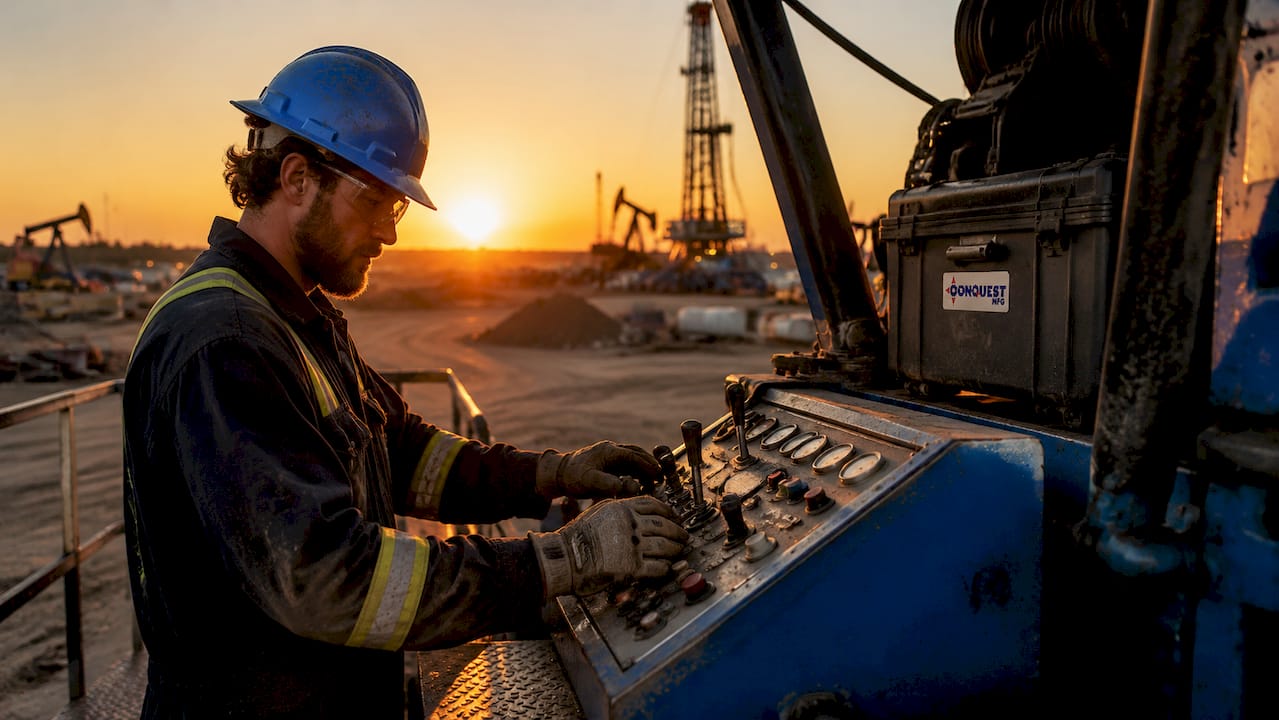
The benefits of mobile machinery extend to leasing models as well. Operators who lease rather than own mobile units transfer maintenance obligations to the equipment provider. This matters most in high-wear environments where service intervals are compressed by dust, heat, and continuous operation.
Key cost drivers that mobile equipment directly addresses:
- Haulage elimination: Processing at the source removes the cost of moving raw material to a fixed plant.
- Labor efficiency: Fewer transport cycles reduce crew requirements and shift overhead.
- Maintenance transfer: Lease models shift service burdens to providers, protecting operator margins.
- Capital flexibility: Leasing avoids large upfront capital expenditure on equipment that may only be needed for a defined project window.
Pro Tip: When evaluating lease versus ownership for mobile compressors or crushers, calculate the full maintenance cost over the project lifecycle, not just the monthly lease rate. In harsh environments, maintenance often exceeds the equipment’s base operating cost.
Mobile vs. stationary equipment: which fits oilfield operations?
The core difference between mobile and stationary solutions is not just physical size. It is the time and cost required to respond when site conditions change. Mobile units deploy in minutes or hours. Stationary plants require weeks or months to install, commission, and certify. That gap in setup time directly translates to revenue lost or protected.
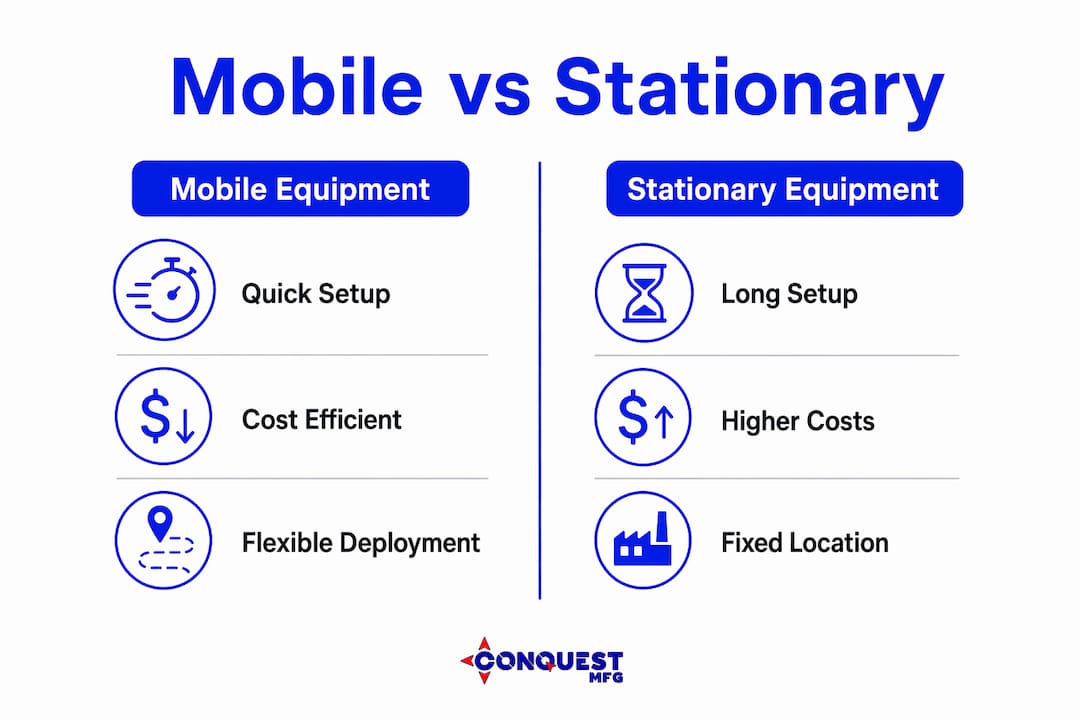
For oilfield operations, this distinction is critical. A well pad that produces for 18 months and then moves to a new location cannot justify a permanent fixed plant. Mobile equipment matches the project’s lifespan and relocates with it.
The table below compares the two approaches across the factors that matter most to oilfield decision-makers.
| Factor | Mobile equipment | Stationary equipment |
|---|---|---|
| Setup time | Hours to days | Weeks to months |
| Relocation cost | Low to moderate | High to prohibitive |
| Capital expenditure | Lower, lease options available | High upfront investment |
| Adaptability to site changes | High | Low |
| Environmental footprint | Reduced haul traffic and emissions | Fixed infrastructure, higher traffic |
| Best suited for | Remote, multi-site, short-to-mid-term projects | Long-term, high-volume, single-location operations |
The environmental advantage of mobile solutions is underappreciated. Fewer haul trucks on access roads means lower diesel emissions, reduced road wear, and a smaller overall site footprint. For operators working under increasingly strict environmental compliance requirements, this is a measurable operational benefit.
Project flexibility is another factor that stationary equipment cannot match. When material streams change or project scope shifts, mobile units can be reconfigured or relocated without triggering a capital project. That agility protects schedules and margins when conditions shift unexpectedly.
You can explore a detailed breakdown of the economic and operational tradeoffs in this stationary vs. mobile plant comparison from Conquest Mfg.
Pro Tip: For multi-pad oilfield programs, plan your mobile equipment fleet around the full drilling schedule, not just the first pad. Equipment that can rotate across three or four pads over a 24-month program delivers far better utilization than a fixed asset tied to one location.
How harsh oilfield environments demand mobile solutions
Oilfield environments impose maintenance burdens that no fixed infrastructure plan fully anticipates. Extreme heat, sand infiltration, and remote locations combine to accelerate equipment wear at rates that would be unusual in temperate industrial settings. In Middle Eastern desert environments, diesel compressors require 2.5 times the maintenance hours compared to operations in temperate zones. That figure alone justifies a fundamentally different equipment strategy.
The financial consequence of failure in these environments is severe. Remote drilling site downtime costs up to $8,000 per day in lost productivity. At that rate, a single compressor failure that takes three days to resolve costs $24,000 before any repair invoice arrives.
This is precisely why over 60% of mobile screw compressors in Middle East oilfield services operate under lease-to-own or operating lease arrangements. Leasing shifts the service burden to the provider, who maintains certified technicians and parts inventory as part of the contract.
On-site mobile diesel repair units address the same problem from a different angle. Rather than waiting for equipment to be transported to a service facility, mobile repair services bring certified technicians and advanced diagnostics directly to the well site. Transportation delays that previously cost days of production are eliminated entirely.
The operational challenges that mobile solutions address most directly include:
- Extreme temperature exposure: Diesel engines and hydraulic systems in desert or arctic environments require more frequent fluid changes and seal inspections.
- Sand and particulate infiltration: Air filtration systems on mobile compressors and crushers need shorter service intervals in dusty oilfield conditions.
- Remote access constraints: Parts and technicians cannot reach fixed equipment quickly. Mobile repair units carry inventory on-site.
- Continuous operation demands: Oilfield equipment rarely gets scheduled downtime. Mobile units designed for field service support 24/7 operational requirements.
Understanding the full range of oilfield equipment terminology helps procurement teams specify the right mobile units for each application, reducing the risk of under-specifying equipment for harsh conditions.
Best practices for integrating mobile equipment into oilfield operations
Selecting and deploying mobile equipment effectively requires more than choosing the right machine. It requires a deployment strategy that accounts for site rotation, maintenance scheduling, and the total cost of ownership across the full project lifecycle.
-
Match equipment type to project duration. Short-term well interventions favor leased truck-mounted rigs and mobile compressors. Longer programs with predictable output volumes may justify owned mobile batch plants or processing units.
-
Plan for rapid deployment from day one. Truck-mounted drilling rigs compress rig-up and rig-down times from multiple days to hours, reducing non-productive time on well intervention projects. Build that speed into your project schedule as a baseline expectation, not a best-case scenario.
-
Build a mobile equipment fleet around utilization targets. A unit sitting idle between pads is a cost center. Plan pad sequencing so mobile equipment moves directly from one active site to the next with minimal gaps.
-
Integrate digital monitoring where available. Modern mobile compressors and processing units increasingly support remote diagnostics and performance tracking. Connecting these systems to your operations center gives you early warning on maintenance needs before failures occur.
-
Establish a clear maintenance protocol for each unit type. Mobile equipment in oilfield service accumulates wear faster than catalog specifications suggest. Build service intervals around actual field conditions, not manufacturer defaults designed for temperate environments.
-
Evaluate leasing for high-maintenance categories. Compressors, diesel generators, and specialized processing units in harsh environments are strong candidates for operating leases. Owned equipment in these categories often carries hidden maintenance costs that erode the apparent savings of ownership.
The future of oilfield mobile solutions points toward greater integration of real-time data. Smart mobile units that report performance metrics, fuel consumption, and fault codes to centralized dashboards are already deployed in mature fields. Decision-makers who build data infrastructure now will be better positioned to manage increasingly complex mobile equipment fleets as operations scale.
For a broader view of how oil industry equipment types support operational efficiency, Conquest Mfg provides detailed guidance tailored to field conditions across the United States.
Key takeaways
Mobile equipment is the most cost-effective solution for oilfield operations because it eliminates haulage costs, reduces downtime, and adapts to shifting site conditions that fixed infrastructure cannot match.
| Point | Details |
|---|---|
| Haulage cost reduction | Locating mobile units at extraction points saves up to $2.70 per ton in transport costs. |
| Downtime prevention | Remote site failures cost up to $8,000 per day, making mobile repair units a direct cost control tool. |
| Setup speed advantage | Mobile equipment deploys in hours versus weeks for stationary plants, protecting project schedules. |
| Leasing reduces risk | Over 60% of Middle East oilfield compressors operate under lease to manage harsh-environment maintenance loads. |
| Fleet planning drives utilization | Scheduling mobile units across multiple pads maximizes asset use and lowers per-project equipment costs. |
The case for mobile equipment is stronger than most operators realize
I have spent years watching oilfield operations underestimate the true cost of fixed infrastructure. The capital expenditure on a stationary plant looks like a one-time decision. The ongoing costs of hauling material to it, staffing it, and maintaining it in a location that may not serve the next phase of drilling rarely appear in the original business case.
What I have seen work consistently is a mobile-first equipment strategy built around realistic utilization planning. Operators who treat their mobile equipment fleet as a coordinated asset pool rather than a collection of individual machines consistently outperform those who make ad hoc rental decisions pad by pad. The difference shows up in non-productive time, in maintenance costs, and in the speed at which they can respond when a well’s production profile changes.
The leasing argument is also stronger than it appears on paper. I have seen owned compressors in desert environments consume more in maintenance labor than their purchase price over a three-year period. The 2.5x maintenance multiplier for harsh environments is not a theoretical figure. It is a real operational burden that leasing transfers to someone better equipped to manage it.
The future belongs to operators who treat mobility as a core operational discipline, not a fallback when fixed infrastructure is impractical. Digital monitoring, rapid deployment protocols, and coordinated fleet management are the tools that separate efficient oilfield operations from expensive ones.
— Sam
Conquest Mfg mobile solutions for oilfield operations
Conquest Mfg designs and manufactures equipment built specifically for the demands of oilfield and industrial operations across the United States. Our product range includes mobile concrete batch plants, dry bulk pneumatic trailers, sand hoppers, sand chassis, and vacuum tanks, all engineered for durability and field performance in demanding conditions.
For oilfield teams evaluating mobile equipment options, our oilfield mobile equipment page details how mobile batch plants improve productivity and quality at the well site. You can also explore our full range of oil industry equipment to find solutions matched to your operational requirements. Contact Conquest Mfg directly to discuss specifications tailored to your project scope and site conditions.
FAQ
Why does oilfield work require mobile rather than fixed equipment?
Oilfield operations move between well pads and remote sites on schedules that fixed infrastructure cannot support. Mobile equipment deploys in hours, relocates between sites at low cost, and processes materials at the extraction point rather than requiring costly haulage to a central facility.
How much can mobile equipment reduce oilfield operating costs?
Moving processing equipment to the extraction point can save $1.20–$2.70 per ton in haulage costs, and strategic mobile equipment deployment reduces total project equipment costs by 10–20% while improving labor productivity.
What is the cost of downtime at a remote oilfield site?
Downtime at remote drilling sites costs up to $8,000 per day in lost productivity. On-site mobile diesel repair units eliminate transportation delays and restore operations faster than any fixed service model.
When does leasing mobile oilfield equipment make more sense than buying?
Leasing is the stronger choice for high-maintenance equipment categories in harsh environments. In Middle Eastern desert conditions, diesel compressors require 2.5 times the maintenance hours of temperate-zone equipment, making lease arrangements that transfer service obligations to the provider the more cost-effective option.
How do truck-mounted drilling rigs reduce non-productive time?
Truck-mounted rigs compress rig-up and rig-down from multiple days to hours, directly reducing non-productive time on well intervention projects and allowing faster transitions between sites in mature field programs.