
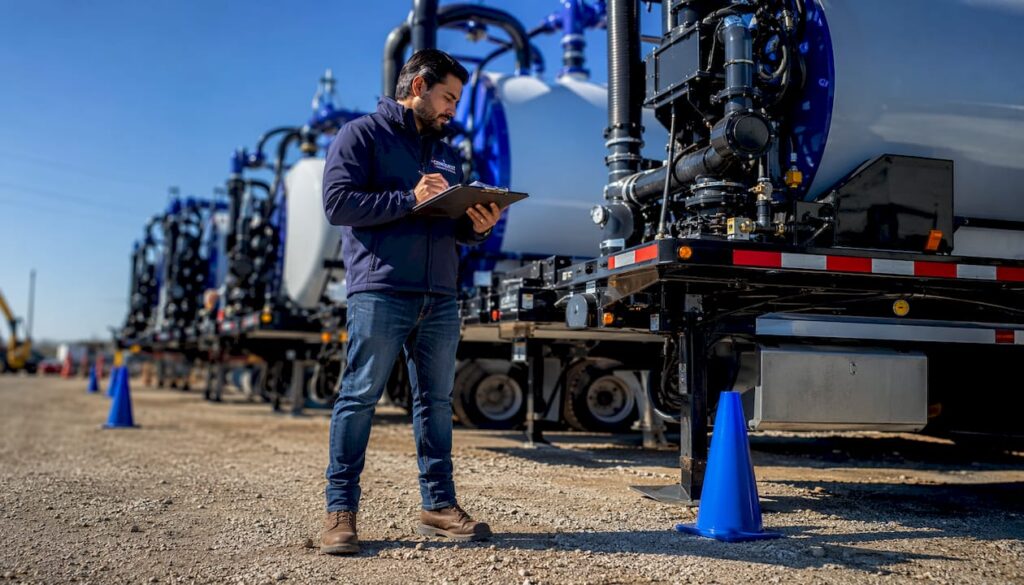
Liquid waste hauling equipment covers the specialized trailers, tanks, pumps, and transport systems built to move industrial and construction liquid waste safely and in compliance with U.S. regulations. For construction and industrial operators, the core components include:
- Vacuum tanks and tanker trailers in capacities ranging from 1,500 to 6,000+ gallons
- Vacuum pump systems rated by CFM at operating depth, not free-air capacity
- Hose assemblies, manifolds, and valves sized for the viscosity of the cargo
- Emergency shut-offs, pressure relief valves (PRVs), and spill containment systems
- DOT-compliant chassis with axle configurations matched to load weight and site access
EPA guidance stresses a documented disposal path for every waste stream, and equipment design must support that chain from collection through transport to disposal. Conquest Mfg, with over 35 years of engineering expertise, manufactures steel and aluminum vacuum tanks and dry bulk pneumatic trailers purpose-built for these demands.
Table of Contents
- What types of liquid waste hauling equipment do you actually need?
- How material compatibility and trailer construction affect your fleet
- Best practices for operating and maintaining liquid waste hauling equipment
- Regulatory compliance and disposal guidance for U.S. construction liquid waste
- What does liquid waste hauling equipment actually cost?
- How technology is changing liquid waste hauling equipment
- Conquest Mfg builds liquid waste trailers for serious industrial operations
- Key Takeaways
What types of liquid waste hauling equipment do you actually need?
The right equipment depends on cargo type, volume, and site conditions. Here is how the main categories break down:
- Vacuum trailers handle sewage, industrial sludge, drilling fluids, and hydrovac spoils. They use a blower or pump to create negative pressure, drawing material into a sealed tank. Capacities typically run several thousand gallons.
- Tanker trailers for hazardous and non-hazardous liquids cover five primary categories: chemical, pneumatic, petroleum, food-grade, and cryogenic. Chemical tankers require a CDL with X endorsement and carry aggressive industrial liquids under strict DOT regulations.
- Pneumatic trailers move dry or semi-liquid bulk materials, including certain industrial waste streams, by pressurizing the tank and blowing product through discharge lines. They are well-suited for cement slurry, fly ash, and similar by-products. See why pneumatic trailers excel at industrial material handling for a deeper look.
- End dump and bottom dump trailers adapted for liquid-bearing waste, such as dewatered sludge or wet demolition debris, provide an efficient discharge option on sites with adequate clearance.
- Roll-off containers and portable tanks serve as on-site holding vessels before a vacuum or tanker trailer removes the accumulated waste.
Each equipment type carries distinct CDL endorsement requirements, loading procedures, and inspection protocols. Matching the equipment to the waste stream from the start prevents costly retrofits and compliance failures.
How material compatibility and trailer construction affect your fleet
Improper material selection is one of the most common and expensive mistakes in fleet acquisition. The tank material must be chemically compatible with every cargo it will carry.
- Stainless steel 304 suits non-hazardous sludge, sewage, and general industrial liquids. It offers good corrosion resistance at a lower cost than 316.
- Stainless steel 316 is required for aggressive acids, chlorides, and many chemical waste streams. The molybdenum content in 316 provides substantially better resistance to pitting corrosion.
- Carbon steel works for petroleum-based waste and non-corrosive liquids but requires internal coating or lining for anything acidic or saline.
- FRP (fiberglass-reinforced plastic) liners extend tank life when hauling highly corrosive materials that would degrade steel over time.
Baffled tanks reduce liquid surge during transport, which matters for road stability with partially filled loads. Smoothbore interiors are standard for food-grade and sanitary applications where cleanability is the priority. ASME pressure vessel standards and DOT certifications govern tank construction for pressurized or vacuum service. Reviewing steel vs. aluminum vacuum tank options helps narrow the choice based on your specific cargo and weight targets.
Pro Tip: Always verify vacuum pump CFM ratings at 15–24 inches Hg operating vacuum, not at free-air capacity. Nominal free-air ratings overstate real performance under load, and the gap becomes critical when hauling viscous sludge.
Best practices for operating and maintaining liquid waste hauling equipment
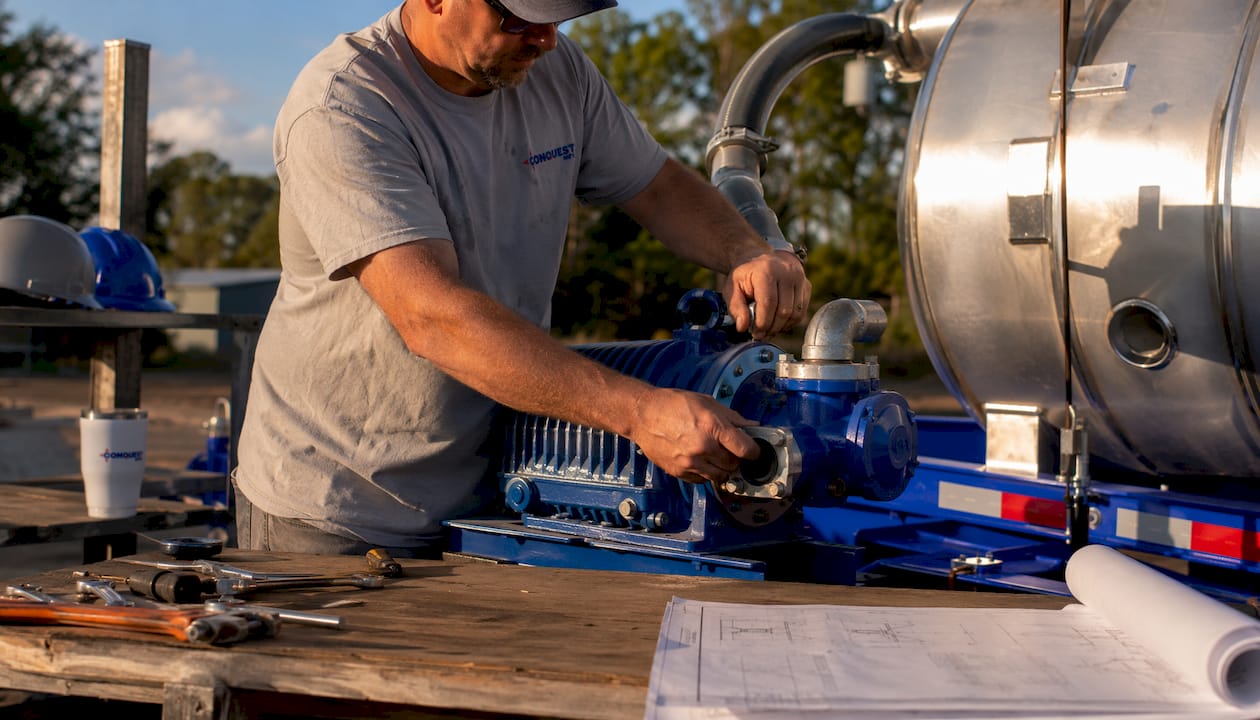
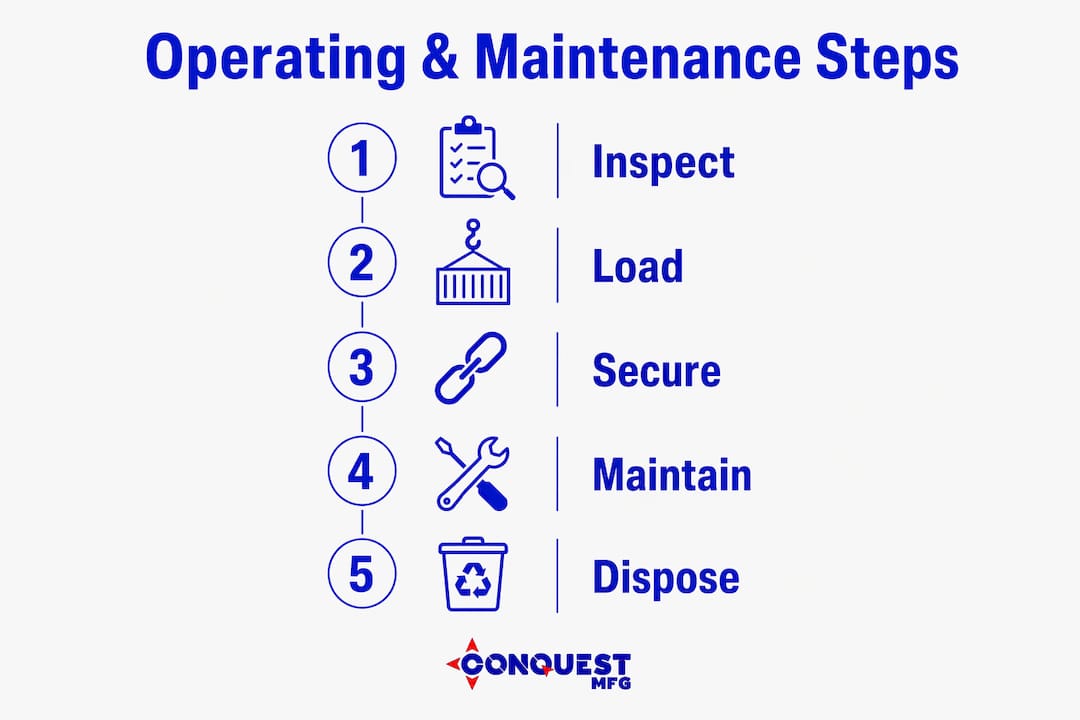
Consistent maintenance and disciplined operating procedures protect your crew, your equipment, and your compliance record. Use this framework as a starting point.
Operational checklist before every run:
- Confirm tank pressure relief valves are set and functional.
- Verify all hose connections are leak-free and rated for the cargo.
- Check vacuum pump oil level and belt tension.
- Inspect emergency shut-off controls for accessibility and response.
- Confirm load does not exceed axle weight limits for the route.
Routine maintenance tasks:
- Inspect tank seals, manhole gaskets, and door clamps after every load cycle.
- Flush internal surfaces with clean water when switching cargo types.
- Lubricate valve stems and check actuator function monthly.
- Inspect chassis welds, frame rails, and suspension components quarterly.
- Test PRV calibration and overspill canisters on a scheduled interval.
Steerable lift axles improve legal axle weight distribution and turning radius on confined construction sites, which is critical for large tankers. Proper warning lights and visibility equipment also matter. Trailer-mounted warning lights for utility trailers reduce collision risk during roadside operations and loading in low-visibility conditions. The Conquest Mfg liquid waste equipment checklist provides a detailed manager-level reference for systematic equipment care.
Regulatory compliance and disposal guidance for U.S. construction liquid waste
Federal and state regulations govern every stage of liquid waste handling, from generation through transport to final disposal. Getting this wrong exposes your company to fines, permit revocations, and environmental liability.
- RCRA classification determines whether your waste is hazardous or non-hazardous. Construction and demolition waste is largely governed by state rules, but mercury-containing materials and solvents fall under federal RCRA requirements.
- Generator status controls your storage limits and reporting obligations. The three categories are Conditionally Exempt Small Quantity Generator (CESQG), Small Quantity Generator (SQG), and Large Quantity Generator (LQG), each with distinct thresholds.
- Uniform Hazardous Waste Manifest is required for off-site transport of hazardous liquid waste. Every shipment must be documented from point of generation to licensed disposal facility.
- EPA Construction General Permit (CGP) prohibits discharge of concrete washout water, fuels, oils, and solvents to stormwater conveyances. Liquid waste containment must use structurally sound, leak-free devices of sufficient volume.
- Spill response must be immediate. The EPA’s CGP requires dry cleanup methods and elimination of the spill source before any discharge continues.
- State variability is significant. Always consult your state environmental agency, as many states impose stricter storage time limits, container standards, and disposal facility requirements than federal minimums.
Properly categorizing waste streams and documenting disposal processes significantly reduces liability across construction projects.
What does liquid waste hauling equipment actually cost?
Equipment acquisition and operating costs vary widely by tank size, material, and configuration. General ranges for U.S. buyers:
New vacuum trailers in the 2,000–4,000-gallon range typically start in the low-to-mid six figures, with larger 6,000-gallon DOT-spec units commanding higher prices depending on pump specifications, axle configuration, and stainless grade. Used equipment can reduce upfront cost but often requires seal replacement, pump rebuilds, and corrosion remediation that erode the savings.
Ongoing maintenance costs include pump service, seal kits, valve replacements, and annual DOT inspections. Operators who defer seal and gasket replacement consistently face higher repair bills and unplanned downtime. Financing through equipment lenders or manufacturer programs spreads acquisition cost, and many industrial operators factor in resale value when choosing stainless steel over carbon steel, since stainless holds value better over a 10–15-year service life.
How technology is changing liquid waste hauling equipment
Modern fleets are adding capability that was uncommon even five years ago. GPS fleet tracking now gives dispatch teams real-time location, idle time, and route data, which reduces fuel cost and supports chain-of-custody documentation for regulated waste. Electronic logging devices (ELDs) are already mandatory for most commercial carriers and integrate naturally with waste manifest tracking systems.
Automated pump controls allow operators to set target vacuum levels and flow rates, reducing operator error during loading of viscous or hazardous materials. Remote monitoring sensors on tank pressure, fill level, and valve position feed data to cab displays and fleet management platforms, flagging anomalies before they become failures. Emerging trailer telematics platforms connect to maintenance scheduling software, triggering service alerts based on actual operating hours rather than fixed calendar intervals. For a broader view of where industrial trailer design is heading, the future of industrial trailers resource covers the trends shaping fleet decisions in 2026.
Conquest Mfg builds liquid waste trailers for serious industrial operations
When your operation demands equipment that performs under real industrial conditions, Conquest Mfg delivers trailers engineered to your exact specifications. With over 35 years of manufacturing experience, Conquest Mfg produces steel and aluminum vacuum tanks, dry bulk pneumatic trailers, and a full range of semi-trailers for construction, oil and gas, and industrial transport. Every unit is built to DOT standards with material and configuration options matched to your cargo, your routes, and your compliance requirements. There is no off-the-shelf compromise. If you need a vacuum tank sized for a specific site, a pneumatic trailer for industrial by-products, or guidance on the right axle configuration for your load, Conquest Mfg’s engineering team is ready to work through the details with you. Explore the full construction industry equipment lineup or contact Conquest Mfg directly to get a quote tailored to your fleet.
Key Takeaways
Selecting the right liquid waste hauling equipment requires matching tank material, pump specifications, axle configuration, and regulatory documentation to your specific waste streams and operating environment.
| Point | Details |
|---|---|
| Material selection is critical | Stainless steel 316 is required for aggressive acids and chlorides; 304 suits non-hazardous sludge. |
| Verify pump specs at operating depth | Check CFM ratings at 15–24 inches Hg vacuum, not free-air capacity, to avoid performance failures with viscous loads. |
| Generator status drives compliance | CESQG, SQG, and LQG categories each carry distinct storage limits, reporting, and manifest requirements. |
| Steerable lift axles improve site access | Steerable lift axles improve legal axle weight distribution and turning radius for large tankers on confined construction sites. |
| Conquest Mfg for custom industrial builds | Conquest Mfg manufactures DOT-compliant steel and aluminum vacuum tanks and pneumatic trailers built to your fleet’s exact specifications. |