
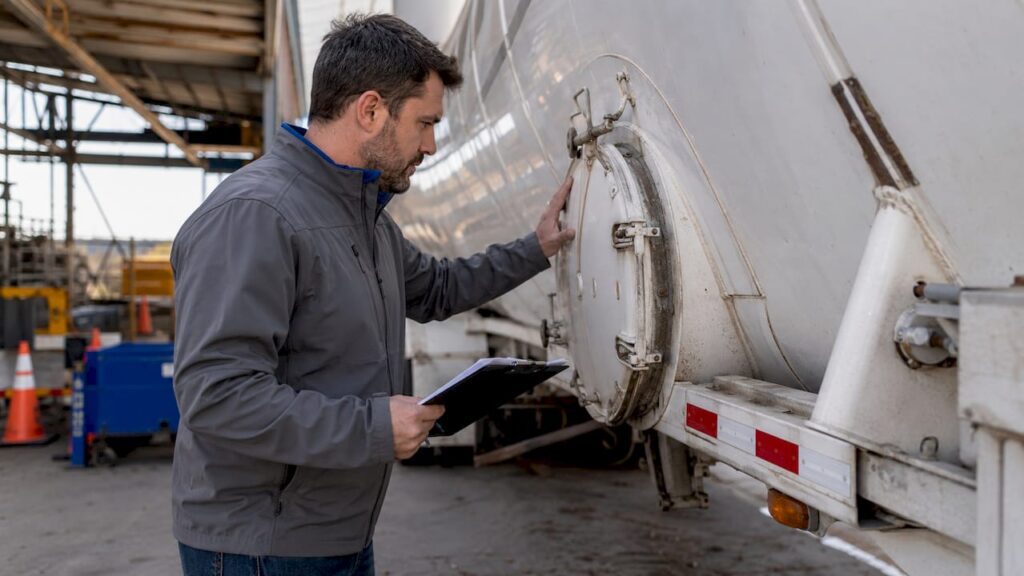
Dry bulk trailer safety is defined as the set of inspection, cleaning, loading, and maintenance practices that prevent accidents, cargo loss, and regulatory violations during the transport of powdered and granular materials. Fleet managers operating pneumatic trailers, bottom dumps, and hopper units face a specific set of hazards that general freight protocols do not address. Department of Transportation guidelines and OSHA standards both apply directly to bulk transport operations, and non-compliance carries serious consequences. The dry bulk trailer safety tips in this guide are built for operators who need practical, field-tested procedures, not generic checklists.
1. What are the essential dry bulk trailer safety tips for pre-trip inspections?
Structured pre-trip inspections are the single most effective tool for preventing on-road failures. Daily pre-trip checks take 15–25 minutes and cover tank shell condition, weld seams, discharge valves, and air lines. That time investment is small compared to the cost of a roadside breakdown or a DOT violation.
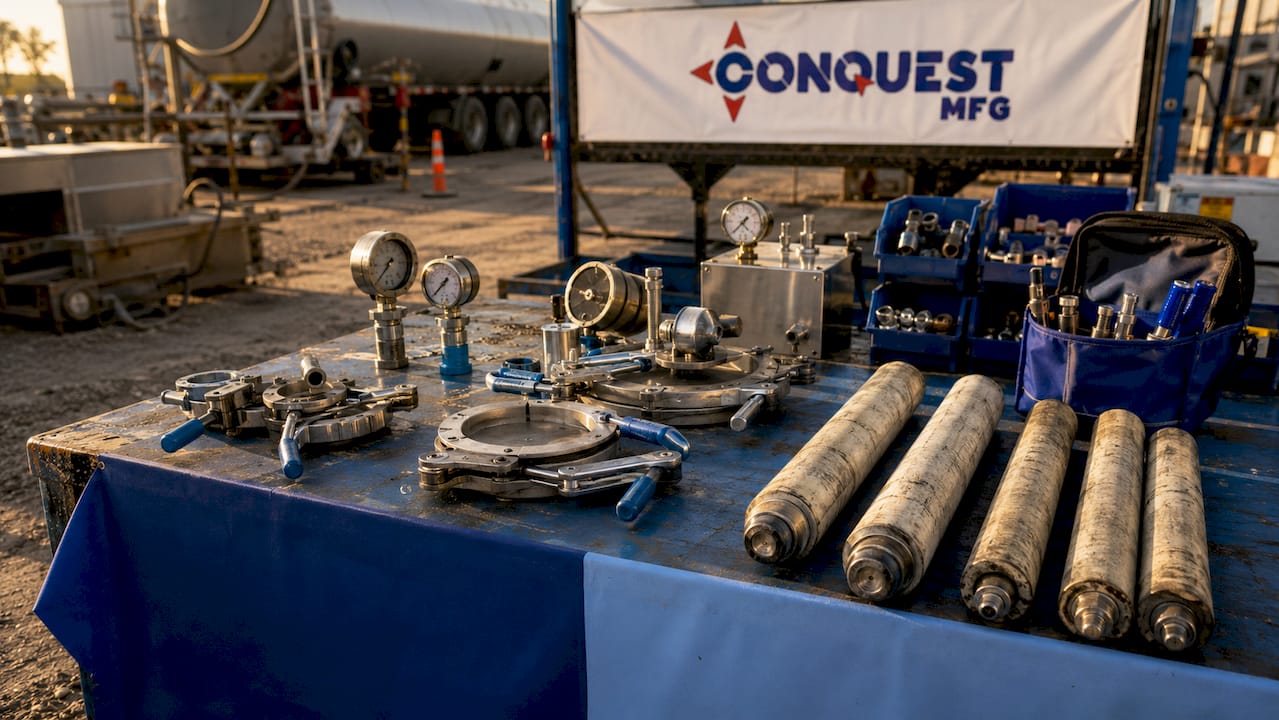
Weekly technical inspections run longer, typically 45–90 minutes, and go deeper into pressure testing, seal integrity, and air compressor performance. Major maintenance milestones fall every 30,000–50,000 km or approximately every 6 months, whichever comes first. These intervals align with industry best practices for pneumatic trailer fleets.
Key items to cover during daily pre-trip checks:
- Tank shell and weld seams for visible cracks or corrosion
- All discharge valves for proper seating and seal condition
- Air lines and fittings for wear, chafing, or loose connections
- Manhole covers and gaskets for airtight closure
- Pressure gauges for accurate baseline readings before departure
Pro Tip: Document every recurring issue by date, route, and trailer ID. Patterns in the data reveal whether a problem is equipment-specific or route-driven, which changes the fix entirely.
2. How pressure gauge monitoring prevents major failures
Pressure fluctuations during unloading warn of approaching component failure before the failure becomes catastrophic. A gauge reading that drops unexpectedly during discharge points to a seal breach, a loose clamp, or a cracked hose. Catching that signal early means a 15-minute repair instead of a full system shutdown.
Fleet managers should establish a normal pressure baseline for each trailer under load. Any reading outside that range during operation triggers an immediate inspection. This practice aligns with the dry bulk handling process standards that prioritize real-time monitoring over reactive maintenance.
3. How does proper cleaning improve dry bulk trailer safety?
Airtightness and cleanliness are performance indicators, not housekeeping tasks. In humid climates, just 3–5 days of inadequate cleaning can cause powder deposits to harden and block airflow. Hardened deposits around discharge outlets and manholes reduce unloading efficiency and create pressure buildup risks.
Operators frequently underestimate how fast residual powder hardens around manholes and discharge outlets, especially in high-humidity regions. A blocked discharge line does not just slow the job. It forces pressure to build in the tank, which stresses welds and seals. The result is accelerated wear on components that are expensive to replace.
Effective cleaning practices include:
- Dry-brush or compressed-air clean manholes and discharge outlets after every load
- Inspect and clear the fluidized bed canvas, since blockages here cause slow unloading even when the compressor runs normally
- Wipe down air compressor intake areas to prevent powder ingestion
- Check and clear all air filter housings after each cleaning cycle
- Never use water on cement or fly ash residue, as moisture accelerates hardening
Pro Tip: Keep a dedicated cleaning log per trailer. When unloading times increase without a clear cause, the cleaning log is the first place to look.
4. Moisture control as a core safety measure for bulk transport
Moisture enters the system through open points or unsealed manholes, causing powder caking that blocks pneumatic lines and valves. This is one of the most common causes of unplanned downtime in dry bulk fleets. Preventing it requires discipline around storage and sealing protocols.
Never store a trailer with manholes or discharge points open to rain or condensation. After each unload, close and latch all access points before the trailer sits overnight. Condensation inside a warm tank after a hot day can deposit enough moisture to cake residual powder within hours.
5. What are the best loading and unloading safety practices?
Safe unloading starts before the first valve opens. Site preparation and ground condition verification are the first steps, not afterthoughts. Soft ground, slopes, or unstable surfaces create tipping risks that no amount of in-cab skill can compensate for.
Follow these steps for every loading and unloading operation:
- Verify ground stability and confirm the trailer is level before connecting discharge lines.
- Match the unloading method to the trailer type. Pneumatic trailers require controlled air pressure; hopper and bottom dump units rely on gravity and gate control.
- Confirm communication protocols with site operators before discharge begins. One person directs the operation.
- Monitor material flow and pressure readings throughout discharge. Any pressure drop or flow interruption triggers a pause and inspection.
- Use fall protection equipment whenever accessing top-loading manholes. Fall protection prevents injuries during top-access loading operations, and OSHA regulations require it.
- Protect material quality by keeping discharge lines clear of standing water and covering open fill points during loading.
- Confirm all valves are fully closed and lines are disconnected before moving the trailer.
Controlled airflow is the defining variable in pneumatic unloading. Too much pressure damages seals and stresses the tank. Too little pressure stalls the material flow and causes bridging inside the tank. Operators should know the rated discharge pressure for each trailer and material combination they run.
6. What risk management and compliance steps protect your fleet?
Load distribution is a compliance issue and a safety issue simultaneously. Dry bulk materials often reach weight limits before filling the available space, which means operators must weigh loads, not estimate them. Uneven load distribution raises the center of gravity and increases rollover risk on curves and ramps.
Fleet managers should build the following practices into standard operating procedures:
- Weigh every loaded trailer before departure and confirm compliance with federal and state axle weight limits
- Inspect hoses, valves, and seals before each trip, since even small cracks or loose clamps reduce airtightness and conveying efficiency
- Document all operational damage by date, trailer ID, and location
- Review route conditions for weather, road surface, and bridge weight ratings before dispatch
- Use a trailer safety inspection checklist to standardize compliance reviews across the fleet
Weather conditions affect both safety and material quality. Rain increases moisture ingestion risk. High winds affect stability during discharge. Cold temperatures can cause condensation inside tanks and freeze valve components. Build weather checks into dispatch protocols, not just driver judgment.
7. How can fleet managers optimize maintenance schedules?
Tiered maintenance routines reduce both cost and risk. Daily checks catch visible wear. Weekly inspections catch developing mechanical issues. Major periodic overhauls catch structural and systemic problems before they cause failures. Each tier serves a different function, and skipping any one of them creates gaps that the others cannot cover.
The fluidized bed canvas inside pneumatic trailers deserves specific attention. Blockages or damage to this component cause slow unloading even when the compressor functions normally. Most operators diagnose slow unloading as a compressor problem and miss the canvas entirely. Inspect it during every weekly check.
Spare parts management directly affects uptime. Keeping critical spare parts onsite, including compressor filters, valve seals, and clamps, reduces costly downtime. Waiting on a part delivery while a trailer sits idle costs more than maintaining a small inventory. This is a straightforward cost-benefit calculation that most fleet managers underestimate until the first extended breakdown.
Pro Tip: Use a digital maintenance log or spreadsheet to track part replacements by trailer and date. When a component fails repeatedly on the same unit, the log tells you whether it is a usage pattern or a product quality issue.
The bulk transportation equipment efficiency framework for 2026 places proactive maintenance at the center of cost control. Emergency repairs cost three to five times more than scheduled maintenance when you factor in labor, expedited parts, and lost revenue from downtime.
Key Takeaways
Effective dry bulk trailer safety requires tiered inspections, disciplined cleaning, controlled loading procedures, and proactive spare parts management to prevent failures and maintain compliance.
| Point | Details |
|---|---|
| Daily inspections prevent failures | Run 15–25 minute pre-trip checks on tank shell, valves, air lines, and gauges before every departure. |
| Cleaning frequency is a safety issue | In humid conditions, powder deposits harden within 3–5 days and block airflow if not cleared. |
| Load distribution affects compliance | Weigh every load before departure; dry bulk materials hit weight limits before filling available space. |
| Spare parts reduce downtime | Keep compressor filters, valve seals, and clamps onsite to avoid costly delays waiting on deliveries. |
| Fall protection is required at top access | OSHA standards require fall protection whenever operators access top-loading manholes during loading. |
What I’ve learned about dry bulk trailer safety that most guides skip
The biggest gap I see in fleet safety programs is not the absence of checklists. It is the absence of follow-through. Most operations have inspection forms. Far fewer have a system that connects recurring issues to corrective action. A driver flags a pressure drop three times in two weeks, and nothing changes because no one is reading the logs.
The fluidized bed canvas is the best example of an overlooked component. Every experienced operator knows the compressor, the valves, and the hoses. Almost no one checks the canvas on a regular schedule until unloading times start creeping up. By then, the blockage has been building for weeks.
Moisture control is the other area where I see consistent underestimation. Operators close the manhole and consider the job done. But a trailer parked overnight in humid conditions with even a slightly worn gasket will accumulate enough moisture to cause problems. The fix is a 30-second gasket check. The consequence of skipping it is a blocked pneumatic line at the job site.
Technology is improving the picture. Digital pressure monitoring and maintenance tracking tools now make it practical to catch anomalies before they become failures. The operators who adopt these tools in 2026 will have a measurable advantage in uptime and compliance over those still running paper logs.
The culture piece matters most. Safety compliance driven by fear of inspection produces minimum-effort results. Safety compliance driven by operational pride and team accountability produces fleets that run cleaner, longer, and with fewer incidents. That shift starts with fleet managers who treat safety data as operational intelligence, not paperwork.
— Sam
How Conquest Mfg supports safe and efficient dry bulk operations
Conquest Mfg designs and manufactures dry bulk pneumatic trailers built for the durability and airtight performance that safe bulk transport demands. Every unit is engineered to support the inspection, cleaning, and maintenance routines that keep fleets compliant and productive.

Fleet managers looking for equipment that matches their operational standards can review the full range of bulk transport solutions available from Conquest Mfg. From pneumatic trailers to pig silo units, each product is built to reduce maintenance burden and support DOT and OSHA compliance. Contact Conquest Mfg directly to discuss specifications tailored to your fleet’s exact requirements.
FAQ
What does a daily dry bulk trailer inspection cover?
A daily pre-trip inspection covers the tank shell, weld seams, discharge valves, air lines, manhole gaskets, and pressure gauges. The process takes 15–25 minutes and identifies visible wear before it becomes a road hazard.
How often should dry bulk trailers be cleaned?
Trailers should be cleaned after every load, with particular attention to manholes and discharge outlets. In humid climates, residual powder can harden and block airflow within 3–5 days if not cleared.
What causes slow unloading in pneumatic dry bulk trailers?
Slow unloading is most often caused by a blocked or damaged fluidized bed canvas, not compressor failure. Inspecting the canvas during weekly checks catches this problem before it affects operations.
What safety gear is required during top-access loading?
Fall protection equipment is required whenever operators access top-loading manholes, per OSHA standards. This includes harnesses, anchor points, and guardrails appropriate to the loading platform height.
How does load distribution affect dry bulk trailer safety?
Uneven load distribution raises the trailer’s center of gravity and increases rollover risk. Dry bulk materials frequently reach federal axle weight limits before the tank is full, so weighing every load before departure is a compliance requirement, not an option.