
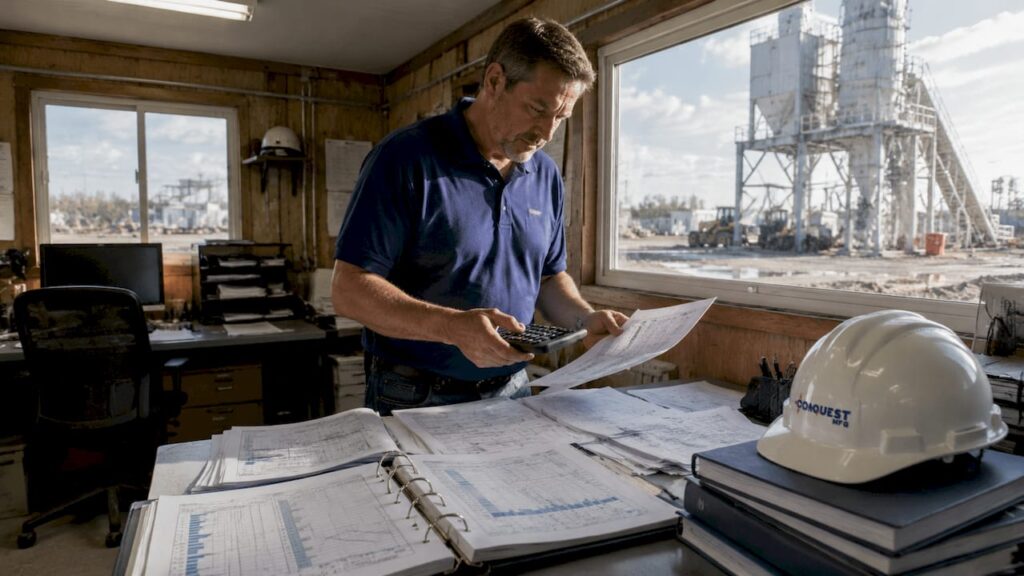
Matching your concrete batch plant to your project’s production volume is the single most critical decision in batch plant selection. Get the capacity wrong, and every downstream decision about mix quality, delivery scheduling, and compliance becomes harder to fix. The best tips for selecting batch plants go beyond equipment specs. They cover plant type, technical features, environmental permitting, site layout, and maintenance planning. This guide gives you a structured, practical framework to evaluate each factor before you commit to a purchase or lease.
1. tips for selecting batch plants: start with production capacity
Production capacity is the foundation of every good batch plant decision. A plant that cannot meet your peak daily demand will create concrete shortfalls that delay pours, disrupt subcontractor schedules, and inflate project costs.
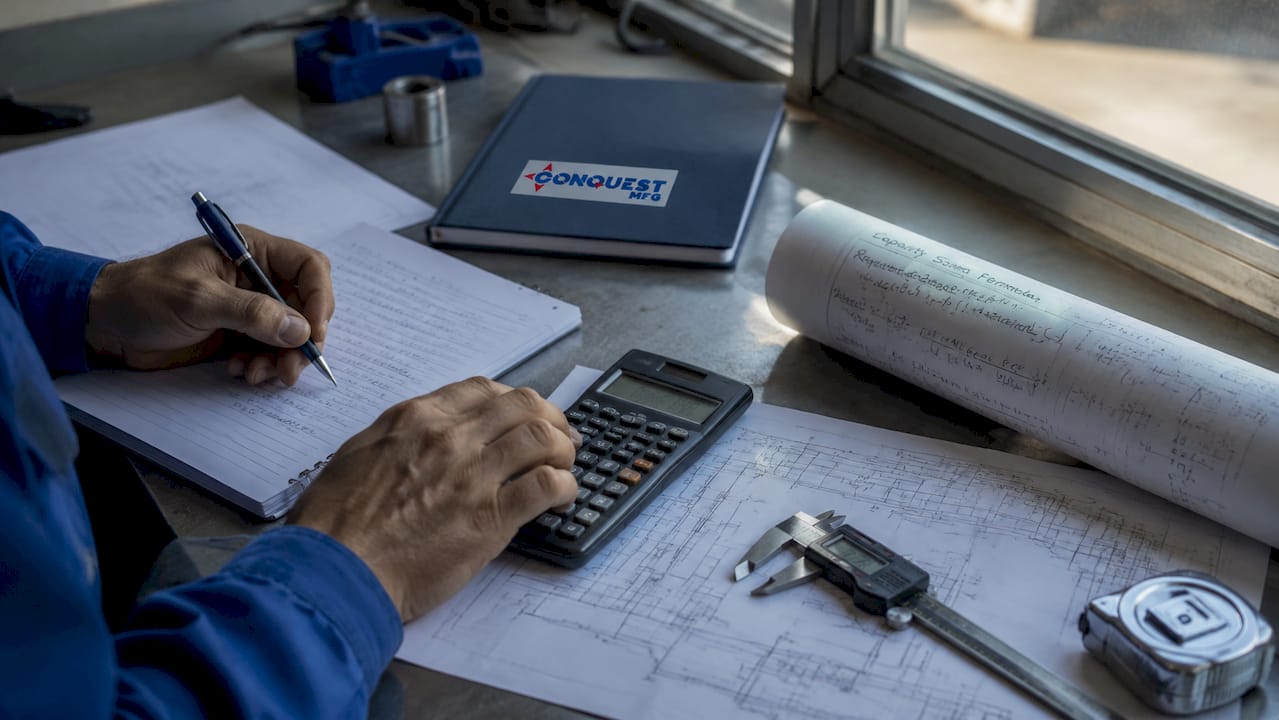
The standard sizing formula divides your peak weekly demand by operating days and hours per day, then multiplies the result by a buffer factor of 1.3. That buffer accounts for maintenance windows, peak demand days, and material supply interruptions. Without it, you are planning for ideal conditions that rarely exist on a real job site.
| Project Scale | Typical Capacity Range | Common Applications |
|---|---|---|
| Small residential | 30–60 m³/hr | Housing, small commercial |
| Mid-size commercial | 60–80 m³/hr | Multi-story buildings, roads |
| Large infrastructure | 80–150+ m³/hr | Bridges, dams, highways |
Sustainable output for batch plants runs at approximately 70–80% of rated capacity under real-world conditions. That means a plant rated at 100 m³/hr reliably delivers around 70–80 m³/hr when you account for operational pauses and material supply gaps. Size your selection based on that realistic figure, not the nameplate rating.
Pro Tip: Buy slightly larger capacity than your current project requires. Upgrading a plant mid-project costs significantly more than purchasing the right size upfront, and a larger plant running at 70% capacity lasts longer than a smaller plant running at 100%.
2. understand the difference between mobile and stationary plants
Plant type determines your flexibility, output ceiling, and setup complexity. Mobile batch plants offer flexibility for short-term or remote projects but typically deliver lower output capacity and less automation than stationary units. Stationary plants provide larger capacity and more sophisticated controls, but they require a fixed location and longer setup time.
For contractors managing multiple simultaneous projects across different sites, a mobile plant reduces transport costs and idle time between pours. For a single large infrastructure project running 18 months or longer, a stationary plant delivers the output consistency and automation that keeps quality tight across thousands of cubic meters of concrete.
The decision is not always binary. Some project managers operate one stationary plant as the primary production hub and deploy a mobile unit to serve satellite pours. That combination covers both volume and geographic flexibility without sacrificing either.
For a detailed side-by-side breakdown, the stationary vs. mobile comparison from Conquestmfgusa covers the key trade-offs for 2026 project conditions.
3. evaluate technical features and mixer specifications
The batch plant must support your concrete mix specification. Batch controls and dosing accuracy directly impact concrete grade and structural performance. Concrete grades from C10 through C40+ require precise water-to-cement ratios, admixture dosing, and aggregate proportioning. A plant with poor dosing accuracy cannot reliably produce high-strength mixes for structural applications.
Key technical features to evaluate before selecting any plant:
- Mixer type: Twin-shaft mixers deliver faster, more uniform mixing than drum mixers for high-volume structural concrete.
- Automation level: Fully automated batching systems reduce human error and produce consistent mix quality across shifts.
- Dosing accuracy: Look for plants with load cell-based weighing systems accurate to within ±1% for cement and aggregates.
- Silo capacity: Match cement silo volume to your daily consumption to avoid supply interruptions.
- Aggregate bins: Confirm the number of compartments matches your mix designs, especially for projects requiring multiple aggregate sizes.
- Admixture dispensing: Verify the plant supports liquid admixture systems if your specs call for plasticizers, retarders, or accelerators.
Pro Tip: Request a copy of the plant’s calibration records and dosing accuracy test results from the manufacturer before purchase. A plant that cannot demonstrate documented accuracy is a liability on any project requiring structural concrete.
4. address environmental compliance and air permitting early
Most ready-mix concrete plants require an air permit due to emissions of regulated dust particulates, specifically PM10 and PM2.5, from operations like cement handling and batch loading. This is not optional. Operating without the correct permit exposes your project to fines, shutdowns, and redesign costs that dwarf the cost of early compliance planning.
Permit categories vary by plant size and emissions output:
- Permit by Rule (PBR): Available for smaller plants with lower emissions. Faster approval, fewer ongoing reporting requirements.
- Synthetic Minor permit: Required for larger plants. Includes enforceable emission limits and more detailed monitoring obligations.
- Major Source permit: Triggered when emissions exceed federal thresholds. Requires the most extensive controls and reporting.
Air permitting should start in early planning to avoid costly delays and redesigns. Engaging a permitting specialist during the design phase means your plant layout, dust capture systems, and equipment choices are built for compliance from day one.
Dust control systems integrated directly into plant equipment, such as baghouse filters and enclosed transfer points, can keep emissions below major-source thresholds. This equipment choice directly determines which permit category applies to your operation.
Some plants incorporate dust capture systems specifically to maintain emissions below major-source thresholds, which keeps permitting simpler and faster. That equipment decision belongs in your plant selection criteria, not as an afterthought after permits are filed.
5. plan your plant location and site layout for operational efficiency
Plant location and layout directly affect operational efficiency by influencing raw material access, delivery logistics, and the ability to serve multiple projects simultaneously. A plant positioned too far from aggregate sources or active pour locations adds transport time and cost to every cubic meter produced.
The table below compares layout priorities for stationary versus mobile plant deployments:
| Factor | Stationary Plant | Mobile Plant |
|---|---|---|
| Raw material proximity | Critical. Locate near aggregate suppliers. | Moderate. Transport materials to site. |
| Site access | Requires permanent road infrastructure. | Needs temporary access roads. |
| Delivery radius | Serves multiple projects within 60–90 minutes. | Relocates to serve each project directly. |
| Setup time | Weeks to months for full commissioning. | Days to one week for deployment. |
| Output consistency | High. Fixed infrastructure supports volume. | Variable. Depends on site conditions. |
Strategic placement near both material sources and active construction zones reduces transport times and improves pour scheduling. For stationary plants, this means conducting a logistics analysis before finalizing the site. For mobile plants, plan relocation sequences in advance so the plant moves between projects without creating production gaps.
6. build a preventive maintenance program before operations begin
Regular maintenance, including checks of corrosion-resistant components and preventive part replacement, is the primary factor in minimizing unplanned downtime and extending plant service life. Plants with durable materials and accessible parts reduce maintenance costs and support continuous operations across long project timelines.
Maintenance best practices for concrete batch plants:
- Daily checks: Inspect mixer blades, seals, and weighing systems before each production shift.
- Weekly inspections: Check conveyor belts, aggregate feeders, and cement screw conveyors for wear.
- Monthly servicing: Lubricate all bearings, inspect electrical connections, and calibrate dosing systems.
- Quarterly reviews: Assess structural components, silo integrity, and dust collection filter condition.
- Annual overhaul: Replace high-wear components proactively, including mixer liners and weigh hopper load cells.
When choosing a plant, prioritize designs with accessible maintenance points. A plant that requires full disassembly to replace a mixer blade costs you production hours every time that service is due. Ask manufacturers for mean time between failures data and parts availability lead times before you sign a purchase agreement.
Pro Tip: Build your maintenance schedule into the project timeline before mobilization. A plant that goes down during a critical pour sequence can set a project back by days. Scheduled downtime is always cheaper than emergency repairs.
For guidance on concrete plant installation and commissioning best practices, Conquestmfgusa provides a step-by-step resource covering setup through first production.
Key takeaways
Selecting the right concrete batch plant requires matching production capacity to project demand, then verifying technical features, compliance readiness, site layout, and maintenance capability before committing.
| Point | Details |
|---|---|
| Capacity sizing | Use the 1.3 buffer formula and plan for 70–80% of rated output as your real working capacity. |
| Plant type selection | Choose mobile plants for flexibility and stationary plants for high-volume, long-duration projects. |
| Technical specifications | Verify dosing accuracy, mixer type, and automation level against your concrete grade requirements. |
| Environmental compliance | Start air permitting during planning to avoid delays; integrate dust control into equipment selection. |
| Maintenance planning | Build a preventive maintenance schedule before operations begin to protect uptime and project ROI. |
What i’ve learned about batch plant selection after years in the field
The most common mistake I see project managers make is selecting a plant based on price per cubic meter of rated capacity. That number looks clean on a spreadsheet. It rarely reflects what the plant actually delivers on a job site running two shifts in summer heat with a cement supplier who is occasionally two hours late.
The buffer factor in the sizing formula is not conservative padding. It is the difference between a project that finishes on schedule and one that is scrambling to source ready-mix from a competitor at a premium rate during a critical pour. I have watched contractors skip that buffer to justify a smaller plant purchase, then spend twice the savings on emergency concrete deliveries within six months.
Compliance planning is the other area where I consistently see money left on the table. Permitting specialists engaged at the design stage cost a fraction of what a plant redesign costs after a permit denial. The equipment choices that keep you in a Permit by Rule category versus a Synthetic Minor category are not expensive. They just require making the decision early.
My strongest recommendation is to partner with a manufacturer who provides documented performance data, parts availability commitments, and post-sale technical support. A batch plant is a long-term capital asset. The supplier relationship matters as much as the equipment specification. Choose both carefully.
— Peter
Conquestmfgusa batch plant solutions for construction projects
Conquestmfgusa manufactures both stationary dry and mobile concrete batch plants built for the capacity ranges and technical demands covered in this guide. Whether your project requires a compact mobile unit for a remote site or a high-output stationary plant for a large infrastructure contract, Conquestmfgusa builds equipment to your exact specifications.
Every plant is designed with durable, corrosion-resistant components and accessible maintenance points to support the preventive maintenance programs that protect your project schedule. Conquestmfgusa’s construction industry solutions include capacity options across the full range from small commercial to large infrastructure projects. Explore the full batch plant production guide to match the right equipment to your next project.
FAQ
What is the most important factor when choosing a batch plant?
Production capacity matched to your project’s peak demand is the most critical factor. Use the sizing formula with a 1.3 buffer factor and plan for 70–80% of rated output as your real working capacity.
Do concrete batch plants require environmental permits?
Most ready-mix concrete plants require an air permit due to PM10 and PM2.5 emissions from cement handling and batch loading. Permit category depends on plant size and emissions output.
How do i choose between a mobile and stationary batch plant?
Choose a mobile plant for short-term, remote, or multi-site projects where flexibility matters. Choose a stationary plant for long-duration, high-volume projects where output consistency and automation are the priority.
When should i start the permitting process for a batch plant?
Start air permitting during the early planning phase, before equipment is specified or purchased. Early engagement with a permitting specialist prevents costly redesigns and production delays.
How often should a concrete batch plant be serviced?
Daily checks cover mixers and weighing systems, weekly inspections address conveyors and feeders, and monthly servicing includes lubrication and calibration. Annual overhauls should replace high-wear components proactively.