
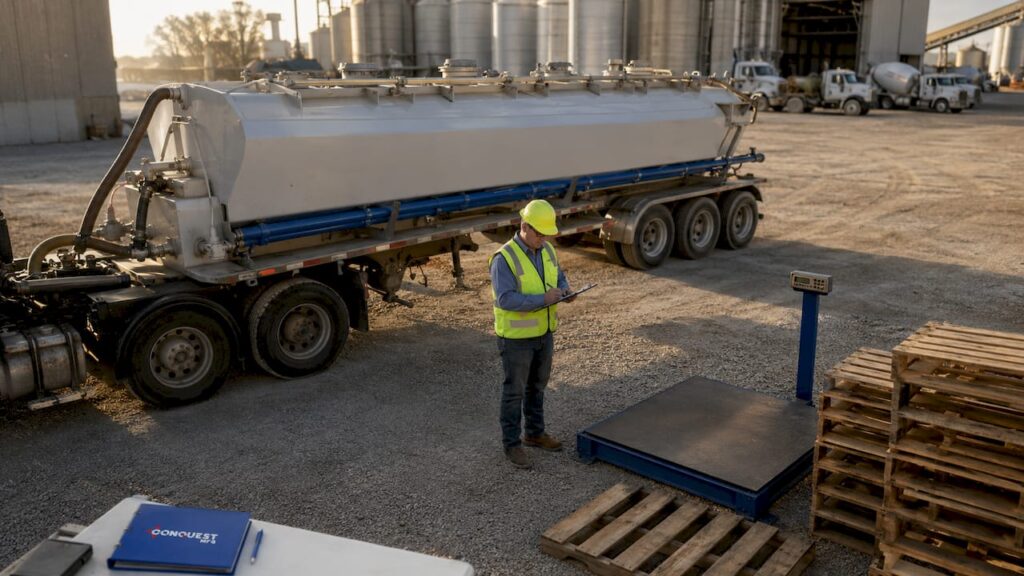
Dry bulk transport is defined as the movement of unpackaged granular or powdered materials, including cement, grain, sand, and fertilizer, using specialized trailers and handling systems. Knowing how to transport dry bulk safely requires matching the right equipment to your cargo, preparing sites correctly, and following FMCSA, OSHA, and EPA regulations at every stage. The risks are real: contamination, cargo shift, trailer rollover, and fines up to $10,000 for violations. This guide gives logistics managers and safety officers a direct, step-by-step framework for safe, compliant bulk material handling from load to delivery.
How to choose the right equipment for dry bulk transport
Equipment selection is the single most common error affecting safety and efficiency in bulk transport. Matching equipment precisely to cargo physical properties is what Bulk Transporter experts identify as the top failure point in the industry. Getting this wrong increases contamination risk, accelerates mechanical wear, and creates unloading failures that cost time and money.
The three primary trailer types each serve distinct cargo profiles:
| Trailer Type | Best Cargo Match | Key Safety Consideration |
|---|---|---|
| Pneumatic tanker | Cement, fly ash, flour, fine powders | Pressure monitoring; misuse raises contamination risk |
| Hopper bottom | Grain, sand, gravel, aggregate | Angle of repose management; moisture sensitivity |
| End dump / bottom dump | Rock, coal, coarse aggregate | Ground stability at unload site; rollover risk on slopes |
Pneumatic trailers excel at moving fine, dry powders without product loss or contamination. However, using pneumatic tankers incompatible with a material’s density or abrasiveness accelerates seal wear and cross-contamination. Hopper bottoms work well for grain and aggregate but require close attention to the material’s angle of repose. Ignoring angle of repose in bulk materials leads to dangerous cargo shifts during transit, especially on curves and inclines.
Material density, moisture sensitivity, and abrasiveness all determine which trailer is appropriate. Cement and fertilizer, for example, absorb moisture rapidly. Transporting them in equipment without sealed compartments creates bridging and caking inside the trailer. Review the dry bulk handling process for a detailed breakdown of equipment-to-material matching criteria.
Maintenance schedules are non-negotiable. Frequent inspections of pneumatic tankers and high-use equipment reduce mechanical failure risk significantly. Inspect seals, hoses, pressure valves, and discharge gates before every haul. Document each inspection to support compliance audits.
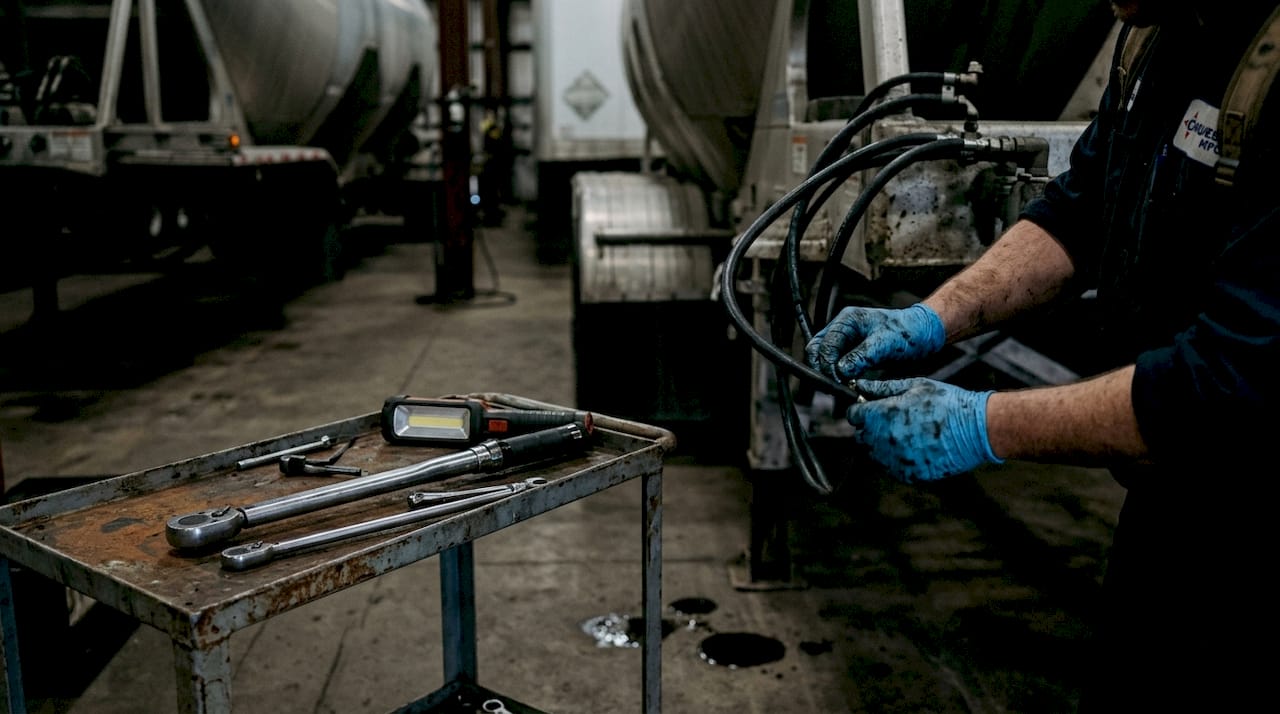
Pro Tip: Before loading, verify that your trailer’s interior has been cleaned using the method appropriate for the previous cargo. Steaming is the recommended cleaning method for cement and food-grade materials to prevent cross-contamination.
What site preparation is required before loading or unloading?
Site readiness is as critical as the transport itself. Access road and unloading zone evaluation prevents accidents that no amount of driver skill can compensate for once a trailer is in motion on unstable ground. Logistics managers must treat site assessment as a mandatory pre-transport step, not an afterthought.
Key site factors to evaluate before any bulk material handling operation:
- Ground stability: Confirm the surface can support the fully loaded trailer weight. Soft, wet, or recently graded ground creates rollover conditions.
- Surface inclination: Unstable or sloped unloading sites directly raise the risk of trailer rollover during discharge. Maximum safe incline thresholds vary by trailer type and load weight.
- Overhead clearance: Verify clearance for trailer height, especially for pneumatic systems with top-mounted discharge equipment.
- Traffic flow: Designate separate entry and exit routes. Eliminate pedestrian and vehicle conflicts in the unloading zone.
- Obstruction control: Remove debris, equipment, and unauthorized personnel from the discharge area before the trailer arrives.
A Job Hazard Analysis (JHA) specific to each delivery site is the most reliable tool for identifying location-specific risks. A JHA documents hazards like proximity to power lines, drainage issues, and surface load ratings. Update the JHA whenever site conditions change seasonally or after construction activity.
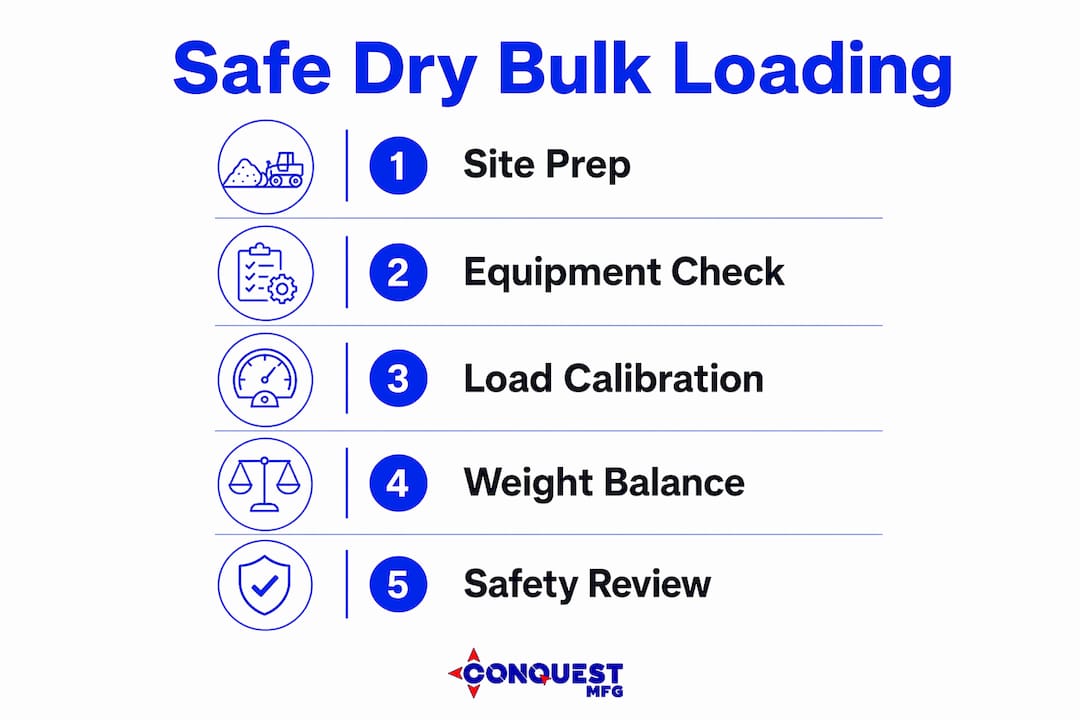
Weight distribution monitoring during loading and unloading is a separate but related concern. Use calibrated scales and load sensors where available to track material flow and axle weight in real time. This prevents overloading on a single axle, which compromises trailer stability on turns and rough roads.
Pro Tip: Establish a direct communication protocol between the driver and site personnel before discharge begins. A clear hand signal or radio check-in system prevents unloading from starting until both parties confirm the site is ready.
Best practices for loading and unloading dry bulk materials
Safe loading and unloading requires a structured sequence, not improvisation. Follow these steps on every haul to prevent cargo shift, contamination, and equipment damage:
- Verify the Transportable Moisture Limit (TML). Always confirm TML before loading moisture-sensitive materials. Moisture ingress in cement or fertilizers causes bridging and caking, which creates uneven discharge and trailer instability.
- Calibrate your loading system. Calibrated loading systems produce balanced axle weights and legal load distribution. Uneven loads compromise trailer stability, particularly on turns and rough road surfaces.
- Seal all compartments and hatches. Confirm every access point is secured before departure. Unsealed hatches allow moisture ingress and product loss during transit.
- Monitor pressure during pneumatic unloading. Incorrect pressure monitoring during pneumatic discharge causes burst hoses, which are a direct injury hazard to personnel. Keep pressure within the manufacturer’s rated range at all times.
- Establish emergency stop protocols. Rapid pressure spikes during pneumatic unloading can turn hoses into dangerous projectiles. Both the driver and site team must know the emergency stop procedure and practice it before the first discharge.
- Clean the trailer between loads. Use the cleaning method appropriate to the cargo type. Steaming removes cement residue effectively. Dry blowout works for grain. Skipping this step causes cross-contamination and equipment degradation.
Moisture control is the most underestimated factor in dry bulk safety. Keeping coal cargo moisture below 14% prevents liquefaction and dangerous shifting. Fines up to $10,000 apply for grain-related contamination or instability violations when moisture and contamination limits are exceeded.
The most common loading mistake is rushing the calibration step under time pressure. An unbalanced load that passes the yard scale may still have uneven axle distribution that only becomes apparent on a curve at highway speed. Take the extra time to verify axle weights individually before departure.
For a broader view of bulk material handling in industrial operations, including equipment selection and procedural frameworks, review the operational overview from Conquestmfgusa.
How do FMCSA, OSHA, and EPA regulations apply to dry bulk transport?
Regulations from FMCSA, OSHA, EPA, and hazmat codes mandate driver training, equipment inspections, and documentation for every dry bulk transport operation. Non-compliance results in costly fines and operational shutdowns. Understanding which agency governs which aspect of your operation is the starting point for a compliant safety program.
| Regulatory Body | Primary Jurisdiction | Key Requirement |
|---|---|---|
| FMCSA | Commercial vehicle operations | Hours of service, vehicle inspection, CDL requirements |
| OSHA | Worker safety at loading/unloading sites | PPE, hazard communication, site safety protocols |
| EPA | Environmental protection | Spill prevention, dust control, hazardous material handling |
| IMSBC Code | International maritime bulk cargo | Moisture limits, cargo declarations, stowage rules |
Driver training is a compliance requirement, not a recommendation. FMCSA mandates documented training for drivers handling hazardous materials. OSHA requires site-specific safety training for all personnel involved in loading and unloading operations. Safety audits conducted annually, at minimum, verify that training records, equipment inspection logs, and incident reports are current and accurate.
Personal protective equipment (PPE) requirements vary by material. Cement and fly ash operations require respiratory protection, eye protection, and chemical-resistant gloves. Grain operations require dust masks and hearing protection near pneumatic systems. Confirm PPE requirements for each cargo type before assigning personnel to loading or unloading tasks.
Weight distribution laws set maximum axle weights that vary by state. Overloaded axles generate fines, equipment damage, and increased rollover risk. Use certified scales at the loading facility and recheck axle weights after any load adjustment. Keep weight tickets with the shipment documentation for every haul.
Refer to the bulk transport terminology guide from Conquestmfgusa for a reference on compliance-related terms and documentation standards used across the industry.
Key takeaways
Safe dry bulk transport requires correct equipment selection, verified site conditions, calibrated loading, pressure-controlled unloading, and full regulatory compliance at every step.
| Point | Details |
|---|---|
| Match equipment to cargo | Select pneumatic, hopper, or dump trailers based on material density, moisture sensitivity, and abrasiveness. |
| Assess every site before arrival | Verify ground stability, incline, clearance, and traffic flow before any loading or unloading begins. |
| Control moisture at every stage | Verify TML before loading and keep moisture-sensitive materials sealed to prevent bridging, caking, and rollover risk. |
| Monitor pressure during discharge | Keep pneumatic unloading pressure within rated limits and establish emergency stop protocols with site personnel. |
| Maintain compliance documentation | Keep FMCSA inspection logs, OSHA training records, and weight tickets current to avoid fines and shutdowns. |
What i’ve learned after years of watching bulk transport go wrong
The failures I see most often are not dramatic. They are quiet, procedural failures that compound over time. A driver skips the axle weight recheck because the yard scale said it was fine. A site manager waves a trailer onto ground that looks solid but was graded two days ago after rain. A cleaning step gets skipped between loads because the next cargo is “basically the same material.”
Each of these decisions seems minor in isolation. Together, they create the conditions for a rollover, a contamination event, or a regulatory audit that shuts down operations for days.
The insight that changed how I think about bulk transport safety is this: site preparation and equipment matching are equally important, and most operations underinvest in both. Drivers get trained. Equipment gets inspected. But the delivery site often gets evaluated by the driver alone, in real time, under schedule pressure. That is the gap where accidents happen.
Emerging monitoring technology is closing that gap. Load sensors integrated with telematics systems now provide real-time axle weight data during transit. Pressure monitoring systems on pneumatic trailers alert operators before a dangerous spike occurs. These tools do not replace procedural discipline, but they provide a safety net when human judgment is under pressure.
My advice to logistics managers and safety officers: treat your site assessment checklist with the same rigor you apply to your pre-trip inspection. Build it into your dispatch workflow. Make it a condition of delivery confirmation. The cost of that process is minutes. The cost of skipping it can be measured in equipment, injuries, and regulatory penalties.
— Peter
How Conquestmfgusa supports safer dry bulk operations
Conquestmfgusa designs and manufactures equipment built specifically for the demands of dry bulk transport, including dry bulk pneumatic trailers, steel and aluminum vacuum tanks, portable cement pig silo trailers, bottom dumps, end dumps, and sand hoppers. Each unit is engineered to match the physical properties of the materials your operation moves, reducing the equipment mismatch errors that drive contamination and mechanical failure.

Whether you need pneumatic trailers for industrial handling or a full equipment review for your construction or oil industry operation, Conquestmfgusa delivers tailored solutions built to FMCSA and OSHA standards. Explore the full range of construction industry equipment to find the right fit for your dry bulk transport requirements.
FAQ
What is the safest trailer type for transporting fine dry powders?
Pneumatic tankers are the safest option for fine dry powders like cement, fly ash, and flour. They provide sealed transport and controlled discharge, minimizing contamination and product loss.
How do i prevent cargo shifting during dry bulk transport?
Verify the material’s angle of repose, calibrate axle weights before departure, and keep moisture levels within the Transportable Moisture Limit. Uneven loads and moisture ingress are the two leading causes of cargo shift.
What regulations govern dry bulk transport in the united states?
FMCSA governs commercial vehicle operations and driver qualifications, OSHA covers worker safety at loading and unloading sites, and EPA regulates spill prevention and dust control. Hazmat codes apply when transporting classified dangerous materials.
How often should pneumatic tankers be inspected?
Pneumatic tankers require pre-trip inspections before every haul, with structured maintenance audits conducted on a scheduled basis per current industry standards. Hoses, pressure valves, seals, and discharge gates are the highest-priority components.
What happens if moisture limits are exceeded in bulk cargo?
Exceeding moisture limits in materials like coal causes liquefaction and dangerous cargo shifting. For grain shipments, violations of contamination and moisture limits carry fines up to $10,000 per incident.